eCommerce Website Development Services
We design and develop eCommerce websites that go beyond product display—built to handle transactions, manage operations, and support business growth at scale.
Looking for reliable eCommerce website development in Nigeria?
DientWeb builds structured online stores tailored to how your business sells, fulfills orders, and manages customers. We focus on building systems that support real-world commerce—not just attractive storefronts.
The Problems We Solve for your Business
- Complicated or abandoned checkout processes
- Poor payment integration
- Lack of inventory and order management
- No scalability for growth
Our Approach to eCommerce Development
- Structured product and inventory management
- Optimized checkout experience
- Reliable payment integrations
- Scalable architecture for growth
- Integration with business workflows
What’s Included in Our eCommerce Design Services
- Custom eCommerce website design
- WooCommerce or custom platform development
- Payment gateway integration (Paystack, Flutterwave, etc.)
- Product and inventory management system
- Order tracking and fulfillment workflows
- Mobile-responsive design
- SEO-friendly structure
What it’s NOT
- Not template-based
- Not rushed
- Not DIY-friendly
Investment
Our single-vendor, multi-vendor and custom eCommerce projects typically range from ₦950k – ₦6m+, depending on scope.
Timeline
8–20 weeks
Who our eCommerce Development Service is for
Businesses launching Single-seller or Multi-vendor platforms, Industry marketplaces, Complex digital ecosystems, including:
- Retail businesses selling online
- Wholesale or distributor platforms
- Brands transitioning from offline to online
- Businesses building marketplace-style platforms
Selected works
eCommerce platforms built for real business outcomes
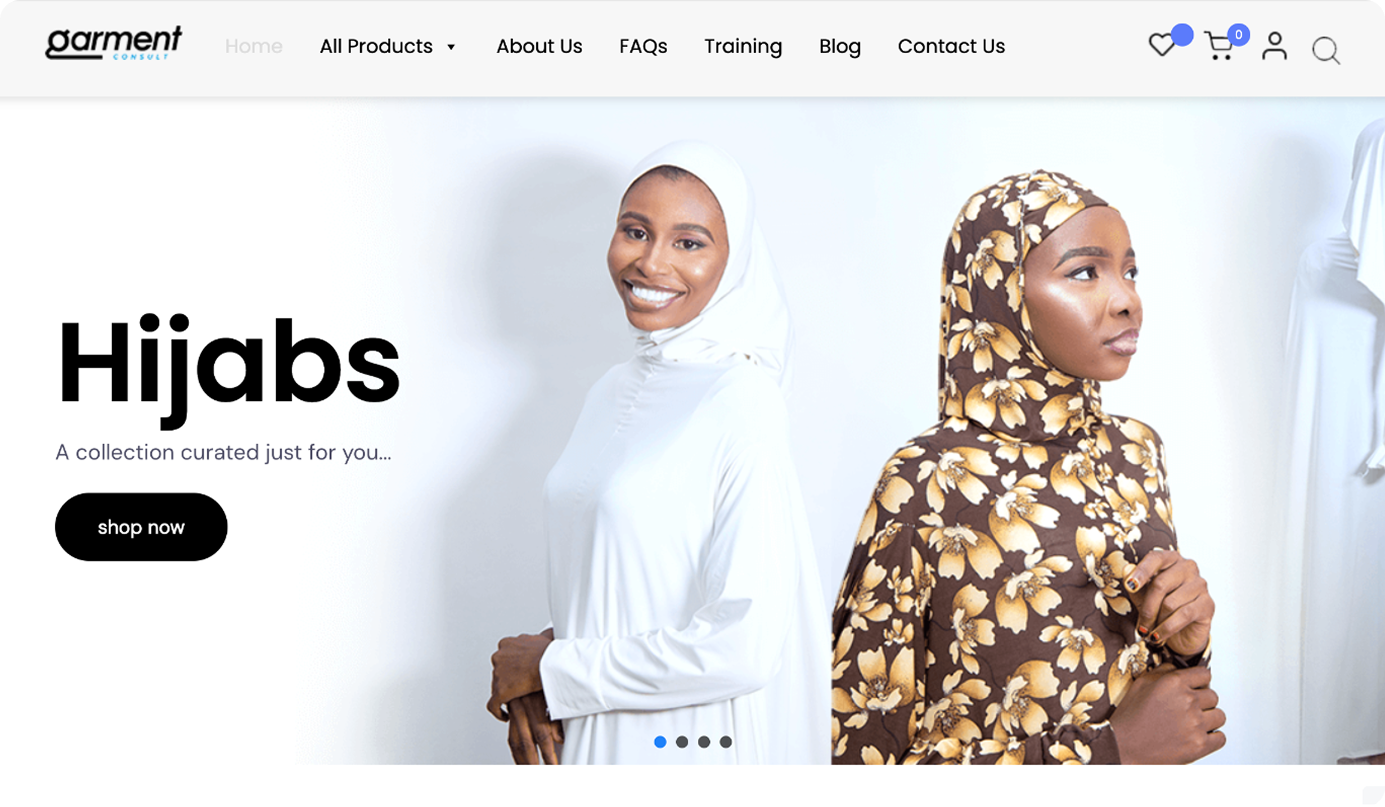
Garment Consulting eCommerce Website Design & WordPress Development
To strengthen its digital presence and expand online sales, Garment Business Consulting Limited partnered with DientWeb to design and...
View Details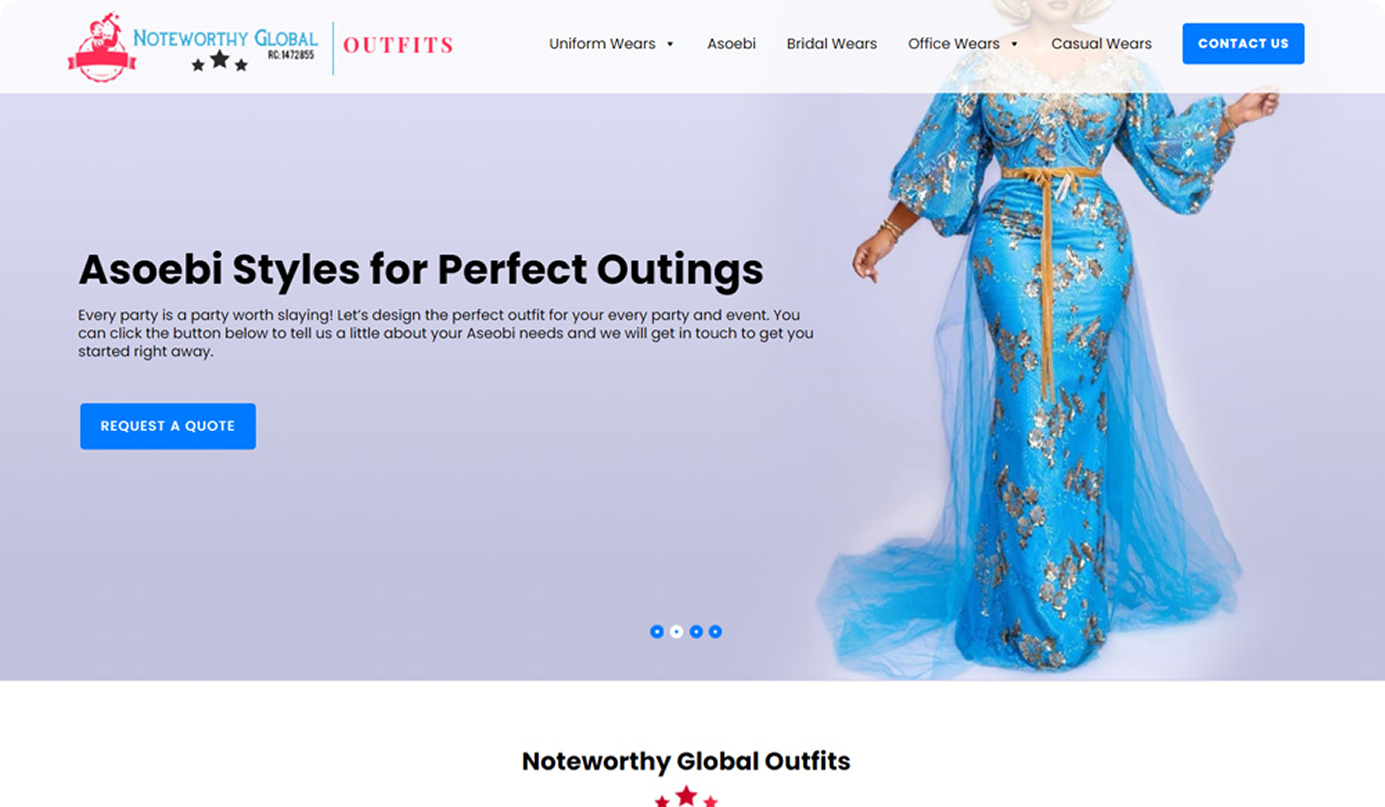
Outfit Design & Production Website
DientWeb developed a custom fashion-focused website that combines elegant brand presentation with streamlined inquiry and ordering workflows.
View Details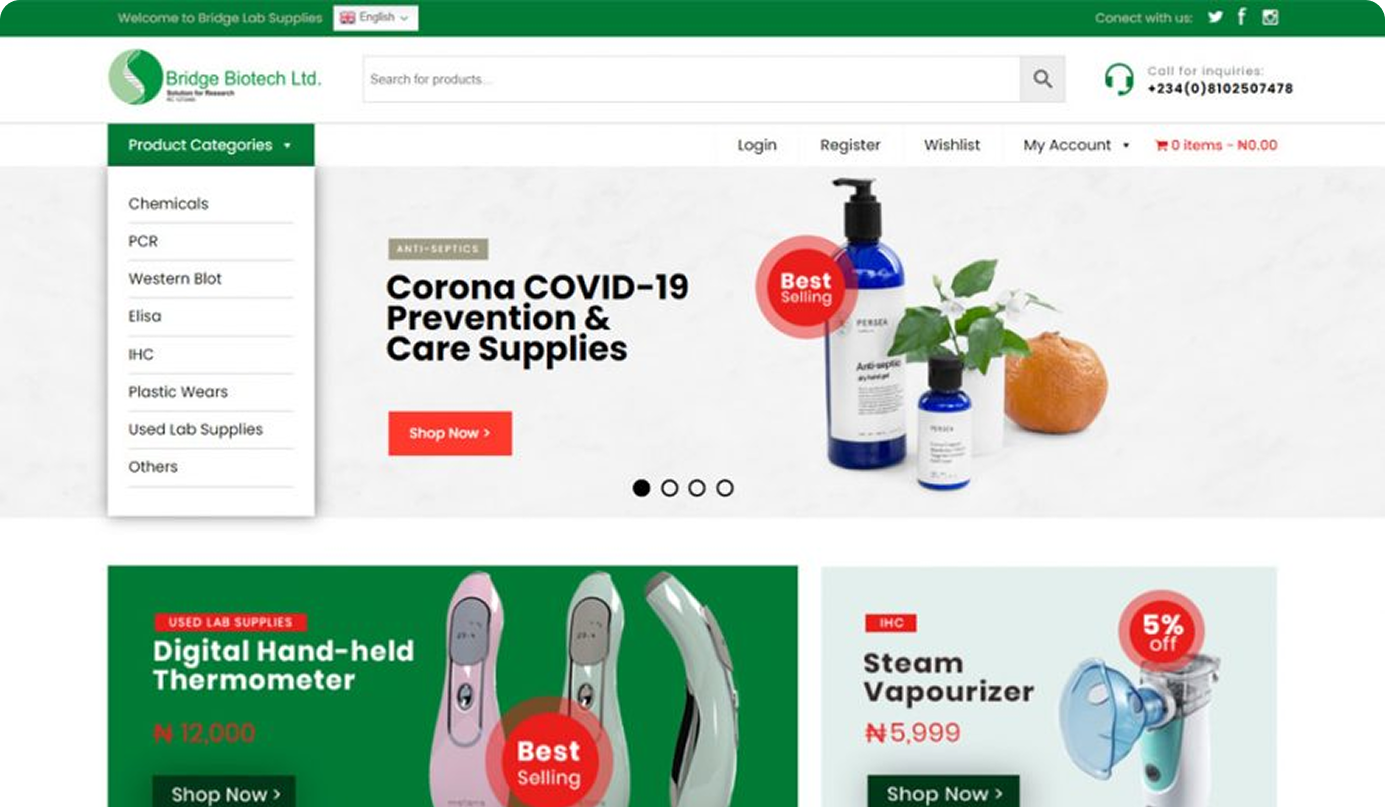
Bridge Labs eCommerce Website
DientWeb developed a secure eCommerce platform optimized for scientific product discovery and online purchasing.
View Details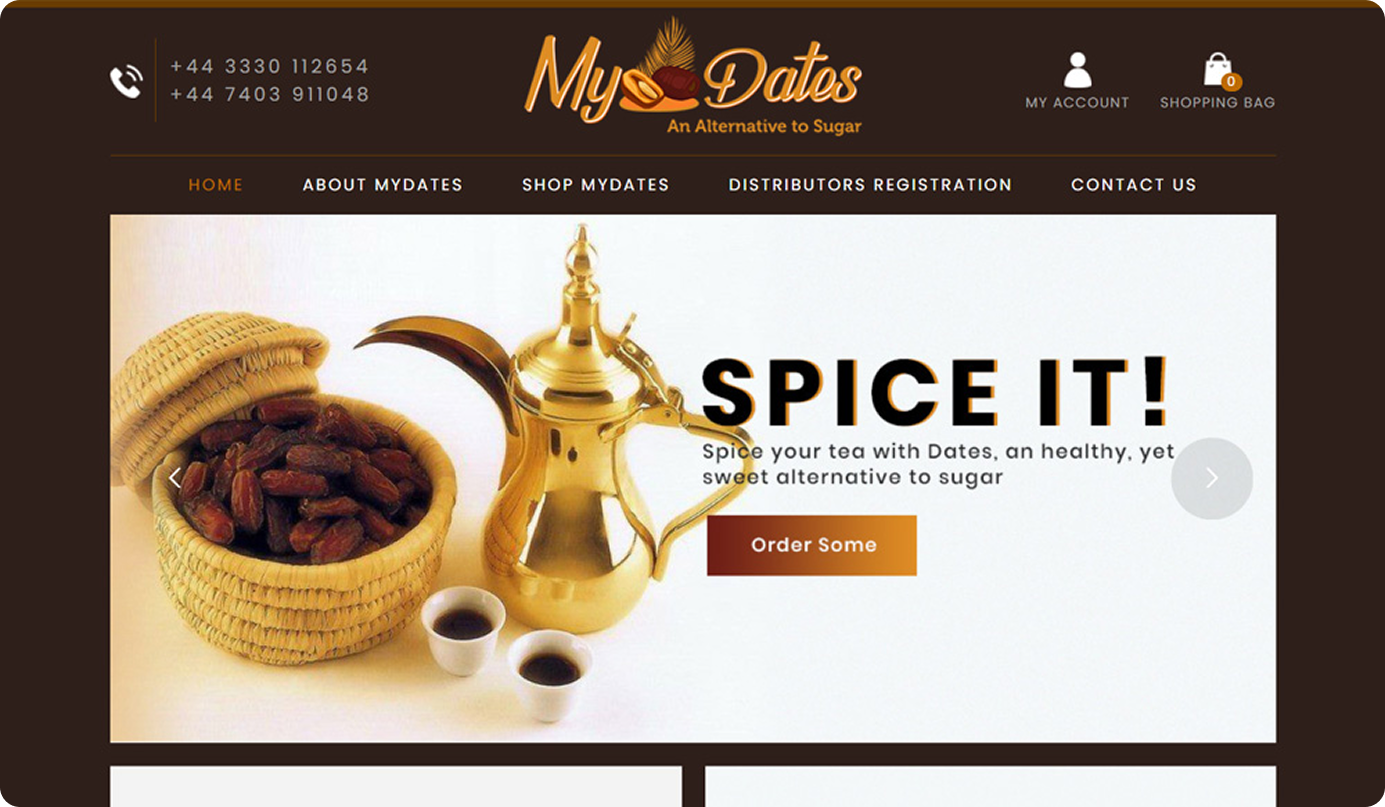
MyDates eCommerce Website
DientWeb developed an international-ready eCommerce platform supporting secure payments and region-specific delivery logic.
View DetailsNot sure what you need?
Book a discovery session and we’ll help you define the right system.
Frequently Asked Questions About Web Development in Lagos
Still have questions? Speak with our team to discuss your project requirements.
What is an eCommerce website?
An eCommerce website is a digital platform that allows a business to present products or services, receive orders and accept payments online. Depending on the business model, it may also provide customer accounts, inventory management, delivery options, order tracking, discount management, sales reports and integrations with other business systems.
How much does it cost to build an eCommerce website in Nigeria?
The cost depends on the number of products, design requirements, payment methods, delivery rules, inventory functions, integrations and level of customization required. A standard online store built with an established eCommerce platform will generally cost less than a custom marketplace or platform with specialized workflows. A reliable quotation would be prepared after the business and technical requirements have been defined.
How long does it take to develop an eCommerce website?
A standard eCommerce website may take several weeks, while a customised store or multi-vendor marketplace may require several months. The timeline is influenced by the project scope, number of products, content availability, payment and logistics integrations, custom functionality, testing requirements and the speed of client feedback and approval.
What information do I need before starting an eCommerce project?
It is helpful to define the products or services you intend to sell, target customers, payment methods, delivery areas, fulfilment process, inventory arrangements and order-management responsibilities. You should also prepare available product names, descriptions, prices, images, variations and applicable policies. DientWeb can help organise these requirements during the discovery and planning stages.
Which eCommerce platform should I use?
The appropriate platform depends on the business model and required functionality. WooCommerce may be suitable for many conventional online stores that need flexible content and product management. A custom solution may be more appropriate for marketplaces, specialized pricing, complex user roles, unusual fulfilment processes or integrations that cannot be supported efficiently by an existing platform. The choice should follow a requirements assessment.
Can the website manage inventory and customer orders?
Yes. An eCommerce website can be connected to supported payment gateways that allow customers to pay using cards, bank transfers or other available methods. The appropriate gateway depends on the business’s country, settlement requirements, currencies and preferred payment options. Payment integration is tested before launch, but transaction processing remains subject to the selected provider’s terms and availability.
Can you redesign my existing website?
Yes. Depending on the agreed scope, the website can update stock quantities, notify administrators of new orders, record order statuses and maintain customer and transaction information. More advanced requirements may include low-stock alerts, warehouse controls, supplier management or integration with an existing inventory, accounting or enterprise system.
Can delivery fees be calculated automatically?
Yes. Delivery charges can be configured using criteria such as customer location, delivery zone, order value, product weight or a fixed rate. Where supported, the platform may also integrate with a logistics provider. The appropriate arrangement depends on the business’s fulfilment process and the technical capabilities of the selected delivery partner.
Can DientWeb develop a multi-vendor marketplace?
Yes. A multi-vendor marketplace allows different sellers to register, manage products and receive orders through one platform. Additional functions may include seller verification, commissions, vendor dashboards, payout management, dispute handling and administrative approvals. Because marketplace operations are more complex than those of a conventional online store, the commercial rules and workflows should be documented carefully before development begins.
Will the eCommerce website work properly on mobile devices?
Yes. The website will be designed to work across smartphones, tablets, laptops and desktop computers. Mobile usability is particularly important because many customers browse products, communicate with businesses and complete transactions using smartphones. Product pages, navigation, shopping carts, checkout forms and payment steps should therefore remain clear and usable on smaller screens.
Can the online store connect with other business systems?
Yes, where suitable integration methods are available. An eCommerce platform may connect with payment gateways, logistics providers, accounting software, customer relationship management systems, inventory platforms, email services or other applications. Each integration should be assessed individually because its reliability depends on the quality, availability and restrictions of the third-party system or API.
Will I be able to add products and manage orders myself?
Yes. Authorised users can be provided with an administrative dashboard for adding products, updating prices, managing stock, reviewing orders and changing relevant website content. The exact permissions can be configured according to the responsibilities of different team members. Training and documentation can also be included as part of the project handover.
Will I own the eCommerce website after development?
Ownership should be defined in the project agreement. After the agreed fees have been paid, the client should own the approved website, original content and custom work covered by the contract. Domains, premium extensions, third-party software, payment services and other licensed components remain subject to their respective providers’ terms. Administrative access and important account credentials should be transferred or documented during handover.
Does an eCommerce website require ongoing maintenance?
Yes. An online store processes customer, order and payment-related information and should be maintained regularly. Maintenance may include software updates, backups, security monitoring, performance checks, compatibility testing and technical support. The applicable maintenance arrangement, response expectations and recurring costs should be agreed before or shortly after launch.
Can my eCommerce website be expanded later?
Yes, provided the platform is planned with future requirements in mind. Additional products, payment methods, delivery options, customer features and third-party integrations may be introduced as the business grows. An eCommerce website can also provide the backend foundation for a mobile application. Significant new requirements should still be assessed to determine whether the existing architecture can support them efficiently.
Still have questions? Speak with our team to discuss your project requirements.